What President Obama Represents to My Mixed-Race Son

Introduction

As a mother of a mixed-race son, I have often found myself reflecting on the profound implications of representation in leadership. President Barack Obama, as the first African American president of the United States, has not only broken barriers but also serves as a symbol of hope and possibility for countless children like mine. This blog explores what Obama’s legacy means for mixed-race families and how it shapes our children’s perceptions of identity, capability, and belonging.

A Historic Moment

Standing on the National Mall for President Obama’s second inauguration, I felt an overwhelming sense of pride. It was a moment that transcended politics, representing a shift in societal norms and a break from a complicated history. As I watched the swearing-in ceremony, I couldn’t help but think about my son. He was just a few years old but already had the potential to see himself reflected in the highest office in the land. This representation matters more than we often realize.

The Weight of Representation

Representation can profoundly impact a child’s sense of self-worth. In a world where mixed-race children might be judged or pigeonholed based on their skin color, seeing a figure like President Obama can help them envision a future filled with possibility. As my son grows, I want him to know that he can aspire to greatness, just as Obama did. The presidency is not just a job; it’s a symbol of what is achievable regardless of race or background.

Challenges of Identity

Navigating identity can be complex for mixed-race children. They often find themselves straddling multiple worlds, each with its own expectations and norms. This complexity can lead to questions about belonging, and sometimes even feelings of isolation. By showcasing leaders like Obama, who openly embrace their mixed heritage, we help our children understand that they are not alone in their experiences.

The Power of Positive Role Models

Role models can change lives. Obama’s story is not just about politics; it’s about resilience, hard work, and breaking through barriers. When I tell my son about Obama’s achievements, I am not just sharing a history lesson; I am instilling a belief in the power of perseverance. I want my son to believe that he can achieve anything he sets his mind to, no matter the obstacles he may face.

Celebrating Differences

It’s essential to celebrate the diversity that exists within our families and communities. Obama’s presidency has sparked conversations about race, identity, and inclusion, which are crucial for understanding the rich tapestry of American society. I want my son to embrace his uniqueness and understand that his mixed heritage is something to be proud of, not something to hide.

Teaching Resilience

As a mother, one of my responsibilities is to equip my child with the tools to face adversity. The world can be harsh and unyielding, especially for those who don’t fit into predefined boxes. I often reflect on how Obama faced criticism and doubt throughout his career, yet he persisted. His journey teaches us that setbacks do not define us; rather, it is our responses to those setbacks that shape our character.

Hope for the Future

Ultimately, Obama’s legacy offers hope—not just for mixed-race children but for all kids who feel marginalized. It reminds us that progress is possible and that change can come from unlikely places. I want my son to believe in a future where he can rise above societal expectations and achieve his dreams.

Conclusion

President Obama’s impact on my mixed-race son goes beyond politics; it represents a shift in narrative, a promise of what could be. As parents, we must ensure that our children see themselves in the stories and leaders around them. By embracing diversity and fostering conversations about identity, we pave the way for a more inclusive future. Together, let’s celebrate the milestones achieved and continue to advocate for representation, ensuring that every child knows they matter.

Creative Peanut-Free Lunch Ideas for Your Kids

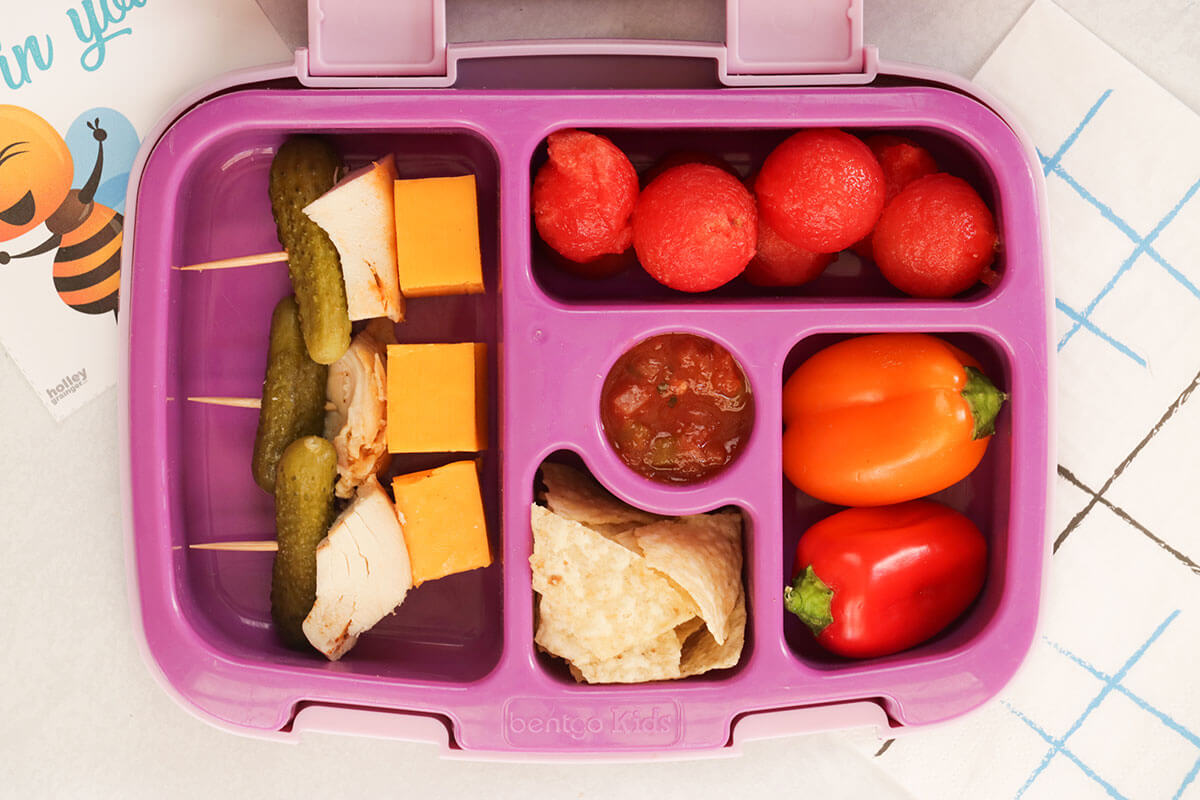
As parents, ensuring our children have nutritious meals that are safe to eat can be quite the challenge—especially when accommodating dietary restrictions like peanut allergies. Many schools are now nut-free zones, which means we need to get creative with our lunch packing. Here are some exciting and simple peanut-free lunch ideas that your kids will love, along with tips to make lunchtime more fun!

1. Fun Pizza Lunchables

Kids love pizza, and making a DIY pizza lunch is both entertaining and nutritious. Pack a whole wheat bagel or a round whole wheat flatbread, along with a few tablespoons of pizza sauce and some shredded mozzarella cheese. Your child can assemble their own mini pizza right at the lunch table, allowing them to customize it with their favorite toppings. This not only satisfies their hunger but also makes lunchtime interactive!

2. Dippable Fruit Snack

Transform your child’s fruit intake with a delightful dip! Blend chopped cherries or strawberries into vanilla yogurt or Greek yogurt. Include a banana or apple slices in the lunchbox for dipping. The combination of flavors will make fruits more appealing and enjoyable for your kids. Plus, this snack is loaded with nutrients!

3. Wrap It Up!

Wraps can be a fun twist on traditional sandwiches. Use a whole wheat tortilla and spread a mixture of cream cheese and vanilla yogurt on it. Add thinly sliced fruits like strawberries, bananas, or even peaches. Roll it up burrito-style, and you’ve got a fruity wrap that is both nutritious and delicious. Your kids will love the fun shape and the sweet taste!

4. Spiced Apple Slices

Make apple slices more exciting with a sprinkle of cinnamon. Toss sliced apples in a bag with a little cinnamon to prevent browning and add flavor. For an added twist, pair the apple slices with a small container of yogurt mixed with a touch of orange juice concentrate. This creates a sweet and refreshing dip that makes fruits more enticing.

5. Sandwich Dippers

Who says sandwiches can’t be fun? Prepare a sandwich with your child’s favorite ingredients and cut it into fun shapes using cookie cutters. Include pretzel sticks for dipping into a small container of your child’s favorite dressing, such as honey mustard or ranch. This creative approach makes the classic sandwich more appealing and interactive!

6. Berry Medley Parfait

For a sweet treat, create a berry parfait using low-fat vanilla yogurt and a mix of fresh or frozen berries. Layer the yogurt and berries in a portable container for a delicious dessert. The frozen berries will help keep the yogurt cool until lunchtime, making this parfait both a nutritious and refreshing option.

7. Kid-Friendly Sushi Rolls

Introduce your kids to the fun of sushi with kid-friendly sushi rolls. Spread plain Greek yogurt seasoned with Italian herbs onto a tortilla, then layer with lunch meat and cheese. Add some crunchy veggies like cucumbers or carrots, roll it up, and slice it into bite-sized pieces. It’s a fun and nutritious twist on traditional sushi that kids will enjoy!

8. Nut-Free PB&J Alternative

You can still enjoy the classic PB&J without peanuts! Substitute peanut butter with sunflower seed butter or soy nut butter. Create a delicious sandwich with your chosen spread and your child’s favorite jelly or jam. This simple swap ensures that your child enjoys a familiar favorite while adhering to dietary restrictions.

9. Unique Veggie Dips

Instead of traditional ranch dressing, whip up a homemade veggie dip. Combine non-fat sour cream with carrot juice, onion powder, and garlic powder. Pair it with an assortment of fresh vegetables like carrot sticks, bell peppers, and cucumber slices. Your kids will love the new flavors and will be more likely to eat their veggies!

10. Comforting Mac and Cheese

Who doesn’t love mac and cheese? Prepare a healthier version by using whole wheat pasta and low-fat cheese. Pack it in a thermos to keep it warm until lunchtime. This hearty meal is sure to fill your kids up and keep them satisfied throughout the school day.

Conclusion

Packing a nutritious, peanut-free lunch for your kids doesn’t have to be a daunting task. With these fun and delicious ideas, you can make lunchtime enjoyable and safe. Remember, the key is to get creative and involve your kids in the process. This not only teaches them about making healthy choices but also allows them to feel empowered about their meals. So grab your lunchboxes and start packing!

Navigating Parenting in a World of Extravagance: Lessons from the Tooth Fairy

One of the most delightful—and sometimes perplexing—aspects of parenthood is the exchange of stories with our children during daily routines. Whether it’s during the school run or at the dinner table, these conversations can offer surprising insights into their worlds. Recently, my child shared a tale that sparked a deeper reflection about parenting choices and societal norms.

The Tooth Fairy Dilemma

While driving home from school, my child excitedly recounted how a friend received an American Girl doll from the tooth fairy. My initial reaction was a mixture of disbelief and amusement—how does a mythical creature fit a $100 doll under a pillow? This humorous moment soon turned into a serious discussion about what this expectation means for our kids and their understanding of rewards.

Questioning the Norms

As a parent, it’s natural to question what influences shape our children’s perceptions of normalcy. My child’s bewilderment about receiving only a dollar for a lost tooth compared to the extravagant gifts their peers enjoy leads to uncomfortable discussions about fairness and entitlement. When children see their friends receiving lavish rewards, they begin to assume such gifts are standard, altering their expectations.

This raises a fundamental question: how do we communicate the values of hard work and gratitude in a culture that often seems to prioritize materialism? As we navigate these conversations, it’s crucial to clarify that while some families may celebrate milestones with grand gestures, that doesn’t reflect our values or practices.

The Impact of Peer Influence

It’s fascinating—and a bit daunting—to observe how peer influence intensifies as children grow. The parenting choices of others, like allowing personal iPads at young ages or lavish birthday parties, can inadvertently put pressure on our own parenting styles. As a parent, my goal is to teach my children the value of appreciation over entitlement.

We must remember that our parenting choices are foundational in shaping how our children view the world. Encouraging them to be grateful for what they have, rather than comparing themselves to others, is essential in fostering resilience and humility. It’s about creating an environment where they understand the joy in simple things.

Balancing Values with Reality

In discussions about the tooth fairy and extravagant gifts, I aim to emphasize that happiness doesn’t come from material possessions. Instead, it stems from love, friendships, and experiences. A child receiving a doll from the tooth fairy might feel special, but it’s the relationships they build and the lessons they learn that will define their character.

To drive this point home, I often recount personal stories where the best memories didn’t involve expensive gifts. Whether it was camping under the stars or baking cookies together, these moments are priceless. They teach kids that life’s richness comes not from monetary value but from shared experiences and cherished memories.

Teaching Life Skills Through Lessons

As we reflect on our children’s expectations, it’s vital to convert these discussions into teachable moments. We can illustrate that working for something, whether it’s saving up for a desired toy or helping with chores, builds character and a sense of achievement. This approach fosters an understanding that rewards come from effort and responsibility.

We can also encourage our kids to reflect on their feelings when they see their friends receiving more than they do. Teaching them empathy and the ability to appreciate their circumstances will empower them in the long run. Discussing these feelings openly will help them understand that everyone has different situations and values, and that’s perfectly okay.

Moving Forward with Intention

In the end, our parenting journey is about striking a balance between fostering ambition and gratitude in our children. While it’s easy to feel overwhelmed by societal pressures and the need to keep up with others, we must remember the power of our influence as parents.

Our role is to guide our children through these challenging waters, helping them navigate friendships, expectations, and the occasional disappointment. By imparting lessons of gratitude, empathy, and resilience, we can ensure that they grow into well-rounded individuals who appreciate the true gifts of life—those that cannot be wrapped or bought.

By encouraging open discussions about values and expectations, we can raise children who find joy and fulfillment in the simple things. And while the tooth fairy may remain a source of wonder, let’s aim to provide the real magic—love, understanding, and the beauty of life’s little moments.

Navigating the Transition: Your Oldest Child's Journey to College

The day has finally arrived: your oldest child is heading off to college. This monumental moment can stir up a whirlwind of emotions, not only for your child but for the entire family. As parents, it’s vital to understand how to support not just the college-bound student, but also their younger siblings who may experience a significant shift in their lives as well. Here are some strategies to help you and your family transition smoothly during this exciting yet challenging time.

1. Prepare for the Big Change

Preparation is key to easing the transition for everyone involved. Start by discussing the upcoming changes at family dinners or during casual conversations. This not only helps your college-bound child feel valued but also encourages younger siblings to express their thoughts and feelings. Utilize “I statements” to share your feelings about the situation, which can prompt younger children to open up about their emotions. For example, saying, “I’m going to miss your sibling,” creates a safe space for them to express their feelings.

2. Acknowledge Mixed Emotions

It’s natural for everyone to have mixed emotions during this period. If your child inquires about your feelings regarding their departure, be honest but age-appropriate. Instead of brushing off your sadness, explain it to them in a way they can understand. This honesty fosters emotional intelligence and reassures younger siblings that their feelings are valid too.

3. Provide a Listening Ear

Listening is one of the most crucial skills a parent can employ. Allow younger children to express their feelings without judgment. Sometimes, they might be excited about the prospect of having more independence, but they may also fear losing their sibling. Encourage open dialogue, letting them know it’s okay to feel a mix of emotions during this transition.

4. Address Fears and Anxieties

Younger children may have fears related to the college-bound sibling leaving home. Reassure them that they are not going anywhere and that their lives will remain stable. Some children might feel pressure to follow in their older sibling’s footsteps, so it’s essential to discuss their individual aspirations and reassure them that every child’s path is different.

5. Create Transitional Objects

A great way to ease the transition for younger siblings is to provide them with a “transitional object” from their older sibling. This could be a favorite stuffed animal, a family photo, or any meaningful item. Having something that reminds them of their older sibling can offer comfort during the adjustment period.

6. Establish Communication Routines

Maintain strong family bonds by establishing a communication routine. Schedule weekly video calls or phone chats that allow younger siblings to connect with their older sibling. This consistent contact can alleviate feelings of separation and ensure that both parties feel connected despite the physical distance.

7. Redistribute Household Roles

With the departure of your oldest child, household dynamics may shift significantly. It’s a good time to discuss and redistribute chores and responsibilities among family members. Make sure to involve younger children in the conversation, giving them a say in the new household roles. This engagement can empower them and help them feel more in control during this transition.

8. Fill the Gaps Left Behind

Older siblings often play multiple roles in a younger child’s life, such as mentor, tutor, and friend. After their departure, it’s crucial to fill some of these roles to ensure the younger child still receives support. Consider hiring a tutor or encouraging them to spend more time with friends, as this can help fill the void left by their sibling.

9. Allow for an Adjustment Period

Every family is different, and adjustment periods can vary. Understand that younger children might regress emotionally, while older children may withdraw as they adapt to their new situation. It’s essential to remain patient and supportive during this time, recognizing that maintaining regular routines can provide a sense of stability.

Conclusion

The transition of sending your oldest child to college can be both exciting and daunting for the entire family. By preparing everyone emotionally, fostering open communication, and establishing routines, you can help ease this significant change. Remember, it’s a journey that requires understanding, compassion, and patience for all involved. With time and love, your family can navigate this transition successfully, allowing your college-bound child to thrive and your younger children to adapt to their new roles.

How to Stay Connected with Your College Student

Introduction

Sending your child off to college can be an emotional rollercoaster for both parents and students. While your child is off exploring their newfound independence, maintaining that essential connection can be challenging. However, with the right strategies, you can bridge the gap and nurture your relationship, ensuring they feel supported even from afar.

1. Send Thoughtful Care Packages

One of the most heartwarming ways to stay connected is by sending care packages. A customized box filled with your child’s favorite snacks, toiletries, or comforting items can bring a smile to their face and remind them of home. Consider including personal touches, such as handwritten notes or small mementos. If you’re short on time, services like CollegeCratez.com offer pre-made care packages that cater to college students’ tastes.

2. Schedule Regular Video Calls

Video calls can significantly enhance your communication experience. Use platforms like Skype or Zoom to have face-to-face conversations that feel more personal than a standard phone call. Setting a regular schedule for these calls can help both of you manage your time better. Whether it’s a weekly catch-up or a spontaneous chat, seeing each other’s faces can reinforce your bond.

3. Share Home-Cooked Goodies

After weeks of cafeteria food, your college student will appreciate a taste of home. Send them travel-friendly treats, like homemade brownies or cookies. Remember to think about their roommates—include enough for everyone! Seasonal items, such as holiday-themed goodies, can also be a great way to remind them of family traditions.

4. Engage Through Social Media

In today’s digital age, social media is an excellent tool for staying connected. Follow your child on platforms like Facebook or Instagram to keep up with their college life. However, be mindful of their boundaries; students often prefer brief texts or messages over lengthy phone conversations. Find the right balance so you can stay updated without overwhelming them.

5. Capture Moments with Video Messages

Consider sending short video messages to express your love and encouragement. A simple “I miss you” or a motivational pep talk can mean the world to your child. Encourage them to send videos back, allowing both of you to share snippets of your daily lives.

6. Visit When You Can

Make it a priority to visit your college student at least once a semester. Attend special events like parents’ weekends or football games to show your support. Experiencing their environment firsthand can deepen your understanding of their new life and create lasting memories together.

7. Write Letters

In a world dominated by digital communication, receiving a handwritten letter can feel incredibly special. Aim to send a personal letter once a month. This gesture will not only brighten their day but also give them something tangible to hold on to—a reminder of home.

8. Share News from Home

Keep your college student in the loop about what’s happening back home. Share updates about local events, family news, or even articles from the local newspaper. This will help them feel connected to their hometown and reduce feelings of homesickness.

Conclusion

Maintaining a close relationship with your college student is achievable with creativity and effort. By incorporating care packages, video calls, and thoughtful communication, you can ensure that your bond remains strong despite the distance. Embrace this new chapter together, and remember, your love and support will always be the foundation of their success.

Embracing Stepparenthood: The Journey of Claiming ‘My’ Stepchildren

Navigating the waters of stepparenthood can be both rewarding and challenging. The journey often involves a rollercoaster of emotions, as stepparents grapple with how to integrate themselves into their stepchildren’s lives. A significant aspect of this integration involves the terminology used to describe the relationship, particularly when it comes to the question: Do I call my stepkids ‘mine’?

Understanding the Stepparent Perspective

Being a stepparent often means stepping into a role that comes with its own set of expectations and dynamics. Many stepparents find themselves navigating uncharted territory, filled with moments of uncertainty and awkwardness. The relationship with stepchildren is typically built on mutual respect and understanding, but the label “mine” can complicate things. It’s essential to recognize that stepchildren may have different feelings about the use of this term, which is often deeply tied to their sense of belonging.

The Emotional Connection

For many stepparents, the bond formed with their stepchildren can feel just as profound as that with biological children. They may feel an intense love and connection, leading them to refer to their stepchildren as “mine.” However, this emotional investment can lead to a conflict of feelings, especially in public or formal settings where the distinction of “step” becomes significant.

The Awkward Social Dynamics

A stepparent often faces awkward situations when introducing themselves or discussing their family structure. A common scenario arises when someone asks, “Are these your kids?” Many stepparents find themselves caught off guard. The instinct to clarify their relationship leads to an awkward dance of explanations that can be frustrating and confusing. This is not merely a matter of semantics; it speaks to the heart of blended families’ dynamics.

Navigating Public Perception

The societal perception of family roles can add to the complexities of stepparenthood. There may be external pressures and expectations about how to label relationships, leading to the need for clarification in public. In these moments, a stepparent might feel the need to distance themselves from the term “mine” to avoid uncomfortable conversations, leading to a sense of identity loss. This experience can be particularly challenging when stepchildren overhear these conversations, potentially impacting their feelings of acceptance and belonging.

The Importance of Language

Language plays a crucial role in shaping relationships within blended families. Choosing to call stepchildren “mine” can foster a sense of belonging and familial bond. However, it’s essential to consider the feelings of all involved, including biological parents and the children themselves. Open communication with everyone can help ensure that the language used reflects the family’s unique dynamics and promotes inclusivity.

Building a Family Identity

As stepparents navigate their roles, it’s vital to work towards building a shared family identity. This can involve creating traditions, spending quality time together, and fostering open dialogues about feelings and identities. By doing so, stepparents can help their stepchildren feel secure and valued, no matter how the relationship is labeled.

Conclusion: Claiming Your Stepkids

Ultimately, the question of whether to call your stepchildren “mine” is a personal one. Each stepparent must assess their feelings, their children’s feelings, and the family dynamics at play. Embracing the role of a stepparent can be incredibly fulfilling, as long as there’s an emphasis on love, understanding, and open communication. So, whether you choose to claim your stepchildren as “mine” or simply refer to yourself as theirs, remember that the bonds you create are what truly matter in building a harmonious family life.

Should You Consider Amniocentesis After 35? Understanding Your Options

Introduction: Navigating Pregnancy Over 35

Pregnancy can be a beautiful journey, filled with joy and anticipation. However, for women over 35, it can also come with its own set of challenges and concerns. One of the most significant decisions you might face during this time is whether or not to undergo amniocentesis. This procedure can provide valuable information about your baby’s health, but it also carries certain risks. Let’s dive deeper into what amniocentesis is, why it’s recommended for women over 35, and what alternatives are available.

Understanding Amniocentesis

Amniocentesis is a medical procedure typically performed between 16 and 22 weeks of pregnancy. During this procedure, a healthcare provider takes a small sample of amniotic fluid surrounding the fetus. This fluid contains fetal cells, which can be tested for chromosomal abnormalities, including Down syndrome and other genetic conditions.

For women over the age of 35, amniocentesis is often recommended due to the increased risk of chromosomal abnormalities as maternal age increases. However, the decision to undergo this test is highly personal and should be based on a thorough understanding of the benefits and risks.

The Benefits of Amniocentesis

  1. High Accuracy: Amniocentesis offers over 99% accuracy in detecting certain genetic disorders, providing peace of mind for expectant parents.
  2. Informed Decisions: Knowing the health status of your baby allows parents to prepare mentally and emotionally for any potential challenges.
  3. Comprehensive Information: The test can also identify other issues, such as neural tube defects, which might not be detected through other screening methods.

The Risks Involved

While amniocentesis is generally safe, it is not without risks. The most significant concern is the possibility of miscarriage, which occurs in about 1 in 300 to 1 in 500 cases. For women with previous pregnancy losses, even this small risk can feel daunting.

Alternatives to Amniocentesis

If you’re uncertain about amniocentesis, there are several non-invasive alternatives to consider:

  1. Nuchal Translucency Screening: This ultrasound test, usually done between 11 and 14 weeks, measures the fluid at the back of the baby’s neck. It can help assess the risk of Down syndrome and other conditions.
  2. Non-Invasive Prenatal Testing (NIPT): This blood test analyzes fragments of fetal DNA in the mother’s blood. It is highly accurate and carries no risk of miscarriage. This test can be done as early as 10 weeks into the pregnancy.

Weighing Your Options: Personal Considerations

Choosing whether or not to have amniocentesis involves careful consideration of several factors:

  • Personal Medical History: If you have a history of miscarriages or other complications, discuss these concerns with your healthcare provider.
  • Family History of Genetic Conditions: If there are known genetic disorders in your family, it might be worth considering amniocentesis.
  • Emotional Readiness: Assess your emotional preparedness for the potential outcomes of the test. Consider whether you would want to know if there were any health issues, and how you might react to that information.

Making the Decision

Before making any decisions, it’s essential to have an open dialogue with your healthcare provider. Discuss your concerns, ask questions, and weigh the benefits and risks of amniocentesis and other screening methods.

Conclusion: Empowering Your Pregnancy Journey

Navigating pregnancy over 35 can be both rewarding and challenging. While amniocentesis offers valuable insights, it is crucial to approach the decision with the necessary information and support. Whether you choose to proceed with the test or opt for non-invasive alternatives, remember that the most important thing is to ensure the health and well-being of both you and your baby. Trust your instincts, gather all necessary information, and make the choice that feels right for you.

Fun and Easy Crafts for Moms Who Aren't Crafty

Introduction: Embracing Crafting without Stress

If you’re a mom who dreads the thought of crafts, you’re not alone. Many moms feel overwhelmed by the pressure to be creative. However, crafting can be a delightful way to bond with your children and spark joy in your home. The key is finding simple projects that require minimal skill but still deliver satisfying results.

1. The Joy of Kiwi Crate Kits

One excellent way to ease into crafting is by using ready-made kits like Kiwi Crate. These kits come with everything you need for projects like making handmade valentines. All materials are included, which removes the stress of gathering supplies and allows you to focus on enjoying the time with your kids.

2. Quick and Fun Button Bow Ties

If you want something straightforward yet stylish, consider the Button Bow Tie Kit. This craft is as easy as adhering self-adhesive buttons to a bow tie. It’s a fun way to feel like a crafting champion without needing any previous experience.

3. Attempting Balloon Animals

For a bit of a challenge, try making balloon animals. While this project can be tricky, it’s also an opportunity for plenty of laughs. Remember, the goal is to have fun, so don’t be disheartened if your balloon dog looks more like a snake!

4. Creative Roll-Up Paper Valentine

Embrace the classic toilet paper roll for a simple craft project. By bending the roll into heart shapes and using paint, you can create lovely cards or decorations. Kids love the messy process, and you’ll appreciate how easy it is!

5. Yummy Star Wars Cookies

Cooking can also be a form of crafting, and what better way to do it than with a Star Wars Cookbook? While royal icing might not be your friend, decorating cookies with your kids can lead to sweet memories (and treats). The fun is in the journey, not just the outcome.

6. Terrarium Fun

One of the most rewarding crafts is creating a Mason Jar Terrarium. This project involves layering soil, plants, and decorative elements into a jar. It’s visually satisfying, and the best part is that it requires minimal effort. Plus, it’s a great way to teach kids about plant care.

7. Crafts That Spark Conversations

Choose crafts that encourage conversation and connection. Projects like scrapbooking or making collages can lead to discussions about family history, dreams, and aspirations, enriching your bonding time.

8. Keep It Simple

Remember that the essence of crafting is to enjoy the time spent together. Don’t worry about perfection; focus on the laughter, creativity, and memories created during the process.

Conclusion: Crafting Without the Pressure

Being a non-crafty mom doesn’t mean you can’t enjoy creative activities with your children. By selecting simple and fun projects, you can nurture your family’s creative spirit without the stress. Embrace the mess, enjoy the laughter, and remember that the best crafts are those that bring you closer to your kids.

Handling Mean Girl Behavior in Your Daughter

Introduction: Recognizing the Signs

It can be painful to discover that your child is engaging in mean behavior, especially toward her friends. But as a parent, this is a key opportunity to guide her toward more positive social interactions.

1. Understanding the Root Cause

Mean girl behavior often stems from insecurity, social pressure, or the struggle to manage multiple friendships. Children may not know how to navigate group dynamics, leading to exclusion or hurtful actions.

2. Addressing the Behavior Without Shaming

When discussing these issues with your child, focus on the behavior rather than labeling her as a “mean girl.” Explain how her actions affect others, and encourage her to think about how she would feel in the same situation.

3. Encouraging Empathy

Help your child develop empathy by encouraging her to consider the feelings of those left out or hurt. Storytelling or role-playing scenarios can be effective ways to foster emotional understanding.

4. Setting Clear Expectations for Friendships

Teach your daughter what healthy, inclusive friendships look like. Emphasize the importance of being kind to everyone, not just her closest friends, and discuss how to resolve conflicts constructively.

5. Intervening in Group Dynamics

Mean girl behavior often flourishes in groups. Set clear boundaries regarding how your child and her friends should treat each other. If necessary, limit certain friendships or activities if the behavior doesn’t improve.

6. Modeling Positive Behavior

Children often mimic what they see at home. Be mindful of how you handle relationships and conflicts, showing your daughter how to treat others with respect and kindness.

Conclusion: Turning the Tide

Dealing with mean girl behavior is challenging, but it’s a valuable learning experience. By teaching empathy, setting expectations, and guiding your child through social challenges, you can help her grow into a kind and considerate friend.

Should My Kids Be Kept from Their Estranged Grandmother?

Introduction: Dealing with Family Estrangement

Family estrangement is one of the hardest emotional challenges for a parent. When relationships between adults become strained, the impact often trickles down to children. For a parent, deciding whether to maintain a relationship between their kids and an estranged grandparent can be agonizing. How do you balance protecting your children while also giving them the opportunity to maintain family ties?

1. The Complexity of Family Dynamics

Family relationships are never simple. As adults, we experience conflicts with our parents that stem from childhood and beyond. But when we become parents, we also have to consider how our decisions will affect our children. Many people grapple with the question: should I keep my kids connected to a grandparent with whom I have a rocky relationship?

This often involves weighing the potential benefits of a grandparent-grandchild relationship against the emotional toll the estranged relationship could take on everyone involved.

2. Understanding Your Own Boundaries

Before making any decision, it’s crucial to assess your boundaries. Are you ready to allow your children to foster a relationship with someone who has hurt or disrespected you? Family estrangement is emotionally charged, and it can be tempting to cut ties entirely. However, some parents find a middle ground, allowing contact between the grandparent and children but maintaining strict boundaries for themselves.

3. The Impact on Children

Children are often caught in the middle of family conflicts. In many cases, they may not understand why a grandparent has stopped calling or visiting. These situations can lead to confusion, hurt feelings, or feelings of rejection. Some parents choose to shield their children from the complexities of the relationship, while others opt for honest yet age-appropriate conversations.

Honesty can help children understand the situation without feeling abandoned or confused, but it’s essential to strike a balance between transparency and protecting them from adult conflicts.

4. Should Kids Be Involved in the Decision?

Depending on the child’s age, some parents may choose to include their children in the conversation about whether or not to maintain contact with the estranged grandparent. While younger children may not grasp the complexities of the situation, older kids may want to voice their feelings about their relationship with the grandparent.

If your child expresses a desire to maintain the relationship, consider finding a safe and structured way to facilitate contact. This might include supervised visits, occasional phone calls, or keeping the relationship limited to birthdays and holidays.

5. Navigating Guilt and Emotional Conflict

Many parents experience a sense of guilt when they consider cutting off their children from a grandparent, even if that relationship has caused them significant personal pain. This guilt can stem from societal norms around family values or the desire to provide children with a sense of family continuity. However, prioritizing your well-being is essential for your own ability to parent effectively.

It’s okay to feel conflicted. Taking time to process your emotions and consider the long-term implications for both yourself and your children can help guide your decision.

6. Finding the Right Support

Going through family estrangement is emotionally taxing. If you’re struggling with this decision, seeking advice from a therapist, counselor, or trusted confidante can offer valuable perspectives. Sometimes, speaking with someone outside the family dynamic helps clarify your thoughts and allows you to process complex emotions.

Additionally, professional support can help you establish healthy boundaries that protect both you and your children from further emotional harm.

Conclusion: Protecting Your Family While Honoring Your Needs

The decision to cut ties with an estranged grandparent or to maintain limited contact is deeply personal. Ultimately, the well-being of your children and your own emotional health should guide you. It’s essential to create a nurturing environment for your kids, even if that means distancing them from certain family members. Ensuring that they grow up surrounded by healthy relationships will always be a priority, even in difficult situations.